


History of The Star and Garter Inn
Welcome to a place where every beam, brick, and floorboard has a story to tell.
Nestled at the heart of Droitwich Spa, the Star and Garter isn’t just a pub — it’s a living piece of the town’s past, where history lingers in the air like the scent of ale and woodsmoke.
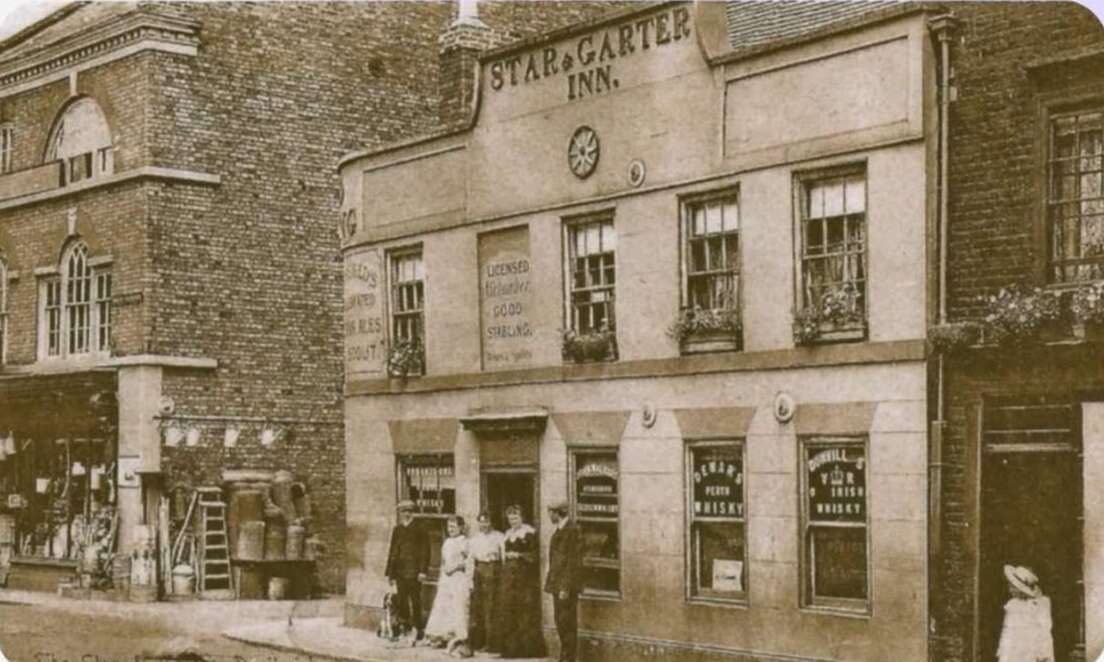
Early 1900s: Life Through the Lens
A rare photograph from the early 1900s — somewhere between 1905 and 1912 — captures a street alive with life. Cobbled roads wind past shopfronts, coal smoke lingers in the air, and salt workers and townsfolk wrap up another long day.
The front of the pub looks freshly painted, with lace curtains in the windows, flower boxes on the sills, and whisky brands displayed proudly — Deans Perth and Dunville’s Irish, favourites in Edwardian working-class pubs.
Above the door, a sign reads “Good Stabling” — a reminder that this wasn’t just a place to rest your legs, but where horses could be tied up out back while their owners enjoyed a drink. It’s likely there were stables behind the pub, offering shelter and hay for weary animals while their riders warmed up inside.
In the doorway, townspeople pose for the camera, their stiff collars and hats showing how unusual it was to have a photo taken. A small terrier waits by its owner's feet, adding a touch of everyday charm.
This wasn’t just a pub. It was where people shared news, made deals, and caught up after long shifts. There were no TVs, no jukeboxes — just the crackle of the fire, the clink of glass, and the steady rhythm of conversation.
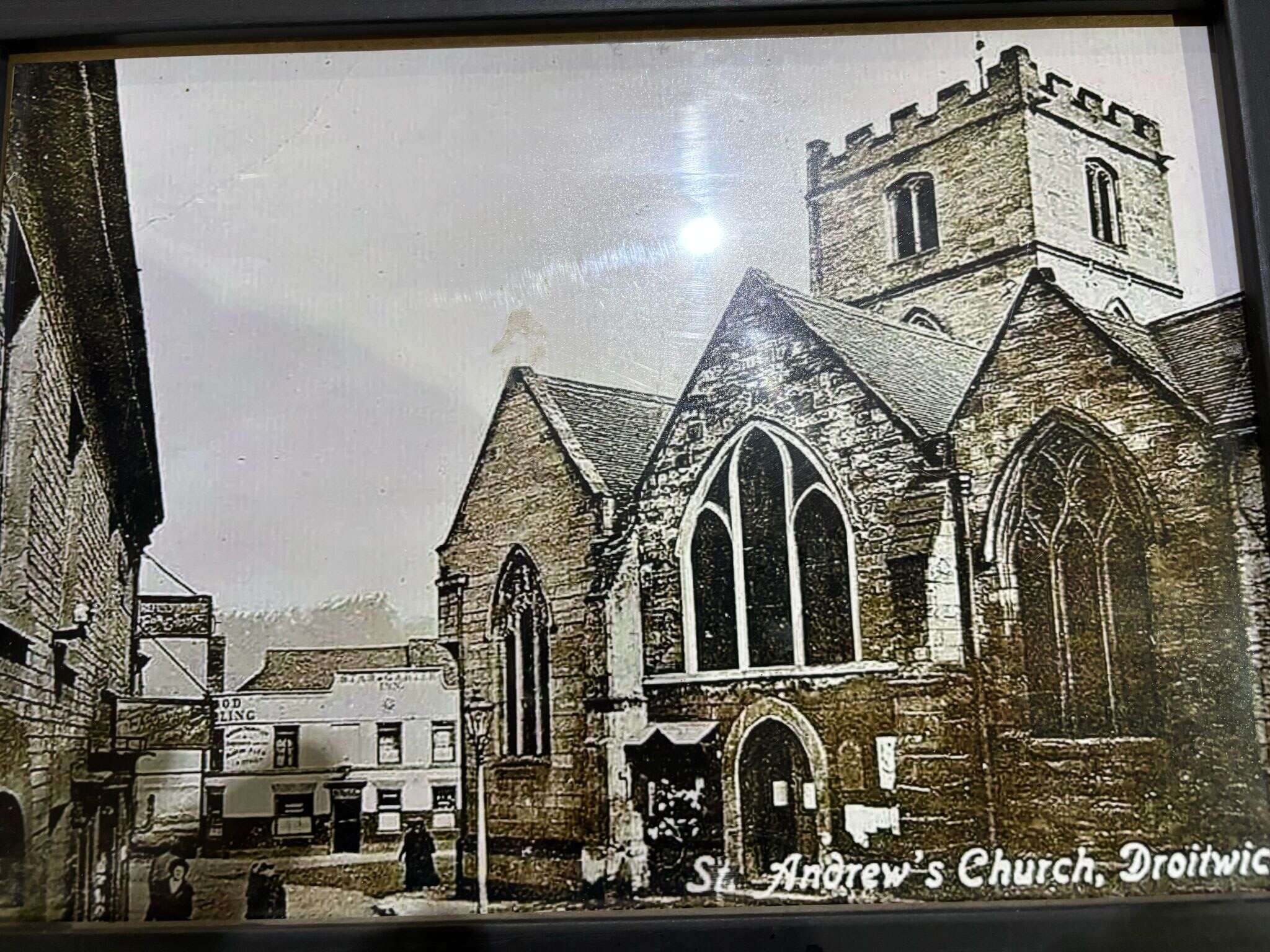
Early 1900s: Side by Side — The Church and the Pub
Captured in another early 1900s photograph, St Andrew’s Church and The Star and Garter stand just a few steps apart — one built for worship, the other for warmth and welcome.
It’s no coincidence. Across Britain, pubs were often found close to churches. After weddings, funerals, christenings or Sunday service, the next stop was usually the local inn — not for irreverence, but for community.
The church anchored people’s spiritual lives; the pub their social ones.
Here in Droitwich, these two buildings have watched generations come and go — a pair of enduring landmarks at the very heart of town life.
Different roles, same corner of the High Street.
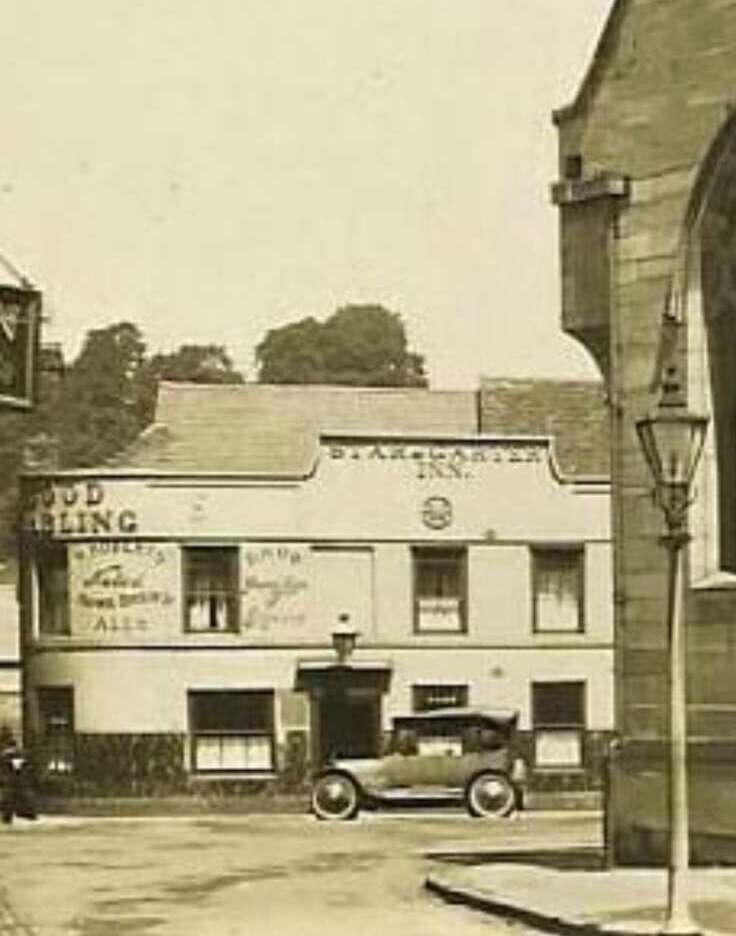
The 1920s: The Town’s Living Room
Framed by the stone shoulders of St Andrew’s Church and just across from the old Town Hall, the pub sits where Droitwich has always gathered — at the meeting point of work, worship, and daily life.
In the 1920s, you might have seen a car like the one in this photo chugging into view, its driver tipping his hat before stepping inside for a pint. Inside, the conversation flowed as freely as the beer: talk of wages at the salt works, rumours from the council chambers, the result of last Saturday’s football. Crib boards clacked. A game of dominoes waited to be finished. A quiet nod to someone arriving late from the shift.
This was the town’s social engine — not just a watering hole but a place where news was exchanged, arguments settled, and laughter carried through the wood-panelled rooms. The beer was local, the faces familiar, and the fire always on in winter.
From the Edwardian drinkers painted on the wall to the interwar crowd in starched collars and dust-coated boots, generations have passed through these doors. Not to escape life, but to reflect it — pint in hand, elbows on oak, stories shared in real time.
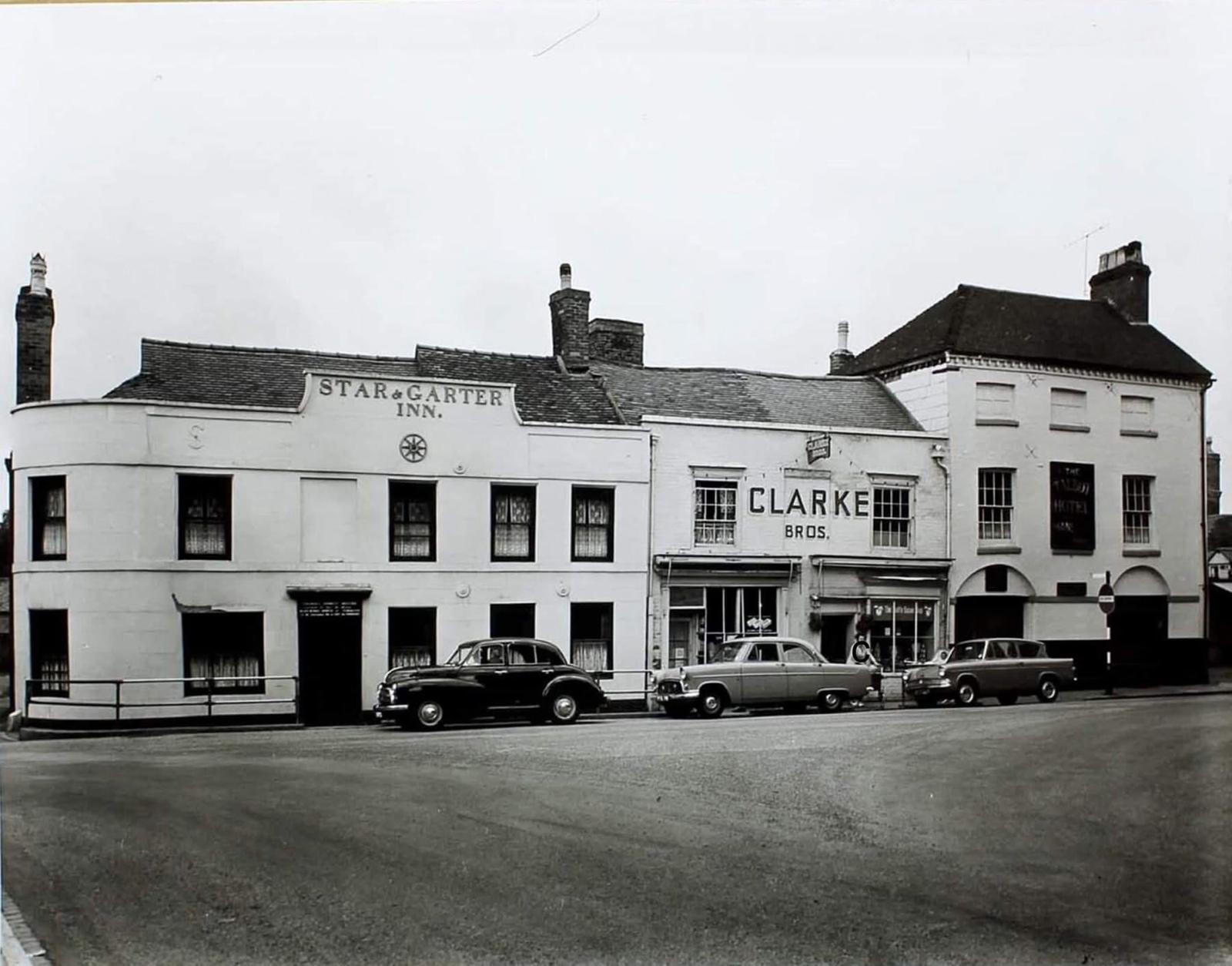
A Snapshot from the 1950s
By the late 1950s, Droitwich was picking up speed.
Televisions flickered to life in front rooms, rock ’n’ roll crackled through radios, and the old salt wagons had given way to rows of Austins, Fords and Morrises, parked proudly along the High Street.
But inside the pub across from the Town Hall, time moved at its own pace.
Men shrugged off their coats, eased into the snug, and settled in. The low murmur of conversation filled the air — a hand slapping down a winning cribbage card, the click of dominoes, a ripple of laughter over a pint of mild. Outside, the world was racing ahead. In here, the important things — a good pint, a warm fire, and better company — stayed just as they always had.
Droitwich Spa: A Town Steeped in Salt
Droitwich’s story has always started underground. Beneath its streets lies a hidden treasure — vast salt deposits that have shaped the town for millennia. Known to the Romans as Salinae, this place was no backwater. It was a salt powerhouse, drawing traders, workers and engineers long before spa tourism ever arrived.
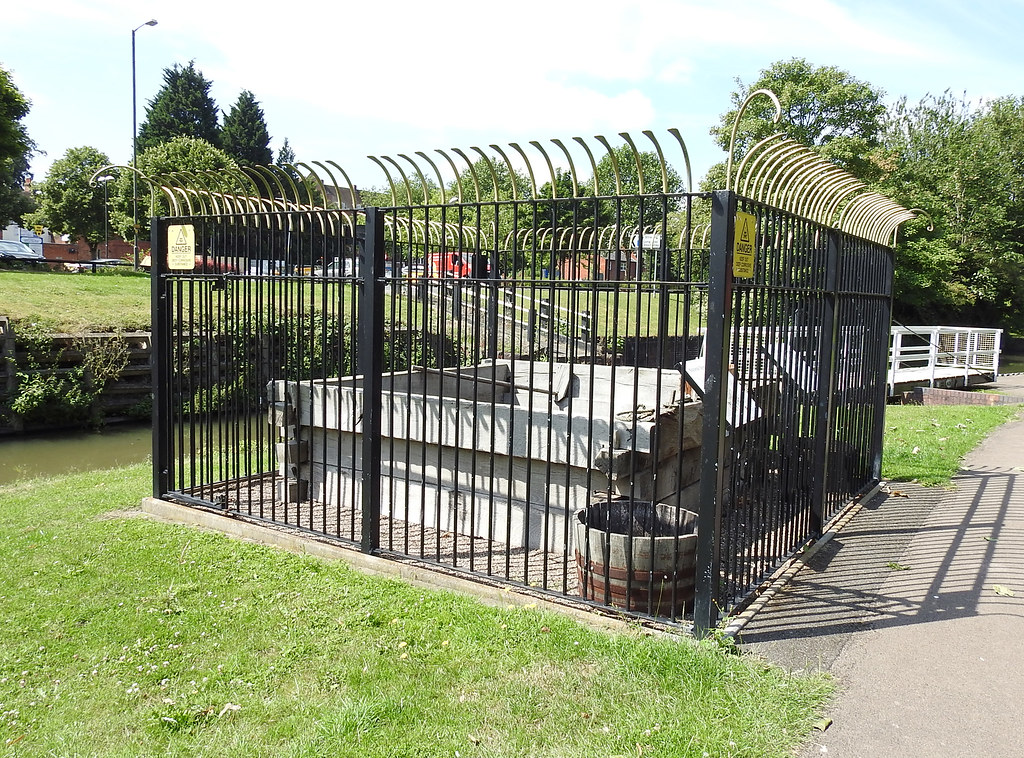
The brine here is something else entirely — ten times saltier than the sea and second only to the Dead Sea. For centuries, pumps like the one pictured above hauled it to the surface, ready for boiling in great iron pans that turned steam into salt, and sweat into wages.
The Star and Garter, just a stone’s throw from the old brine works, became a natural haunt for the workers. After hours in the intense heat, it was the place to cool off, catch up, and find a bit of humanity over a pint.
Salt may have built the town, but pubs like ours gave it heart.
A Living Legacy
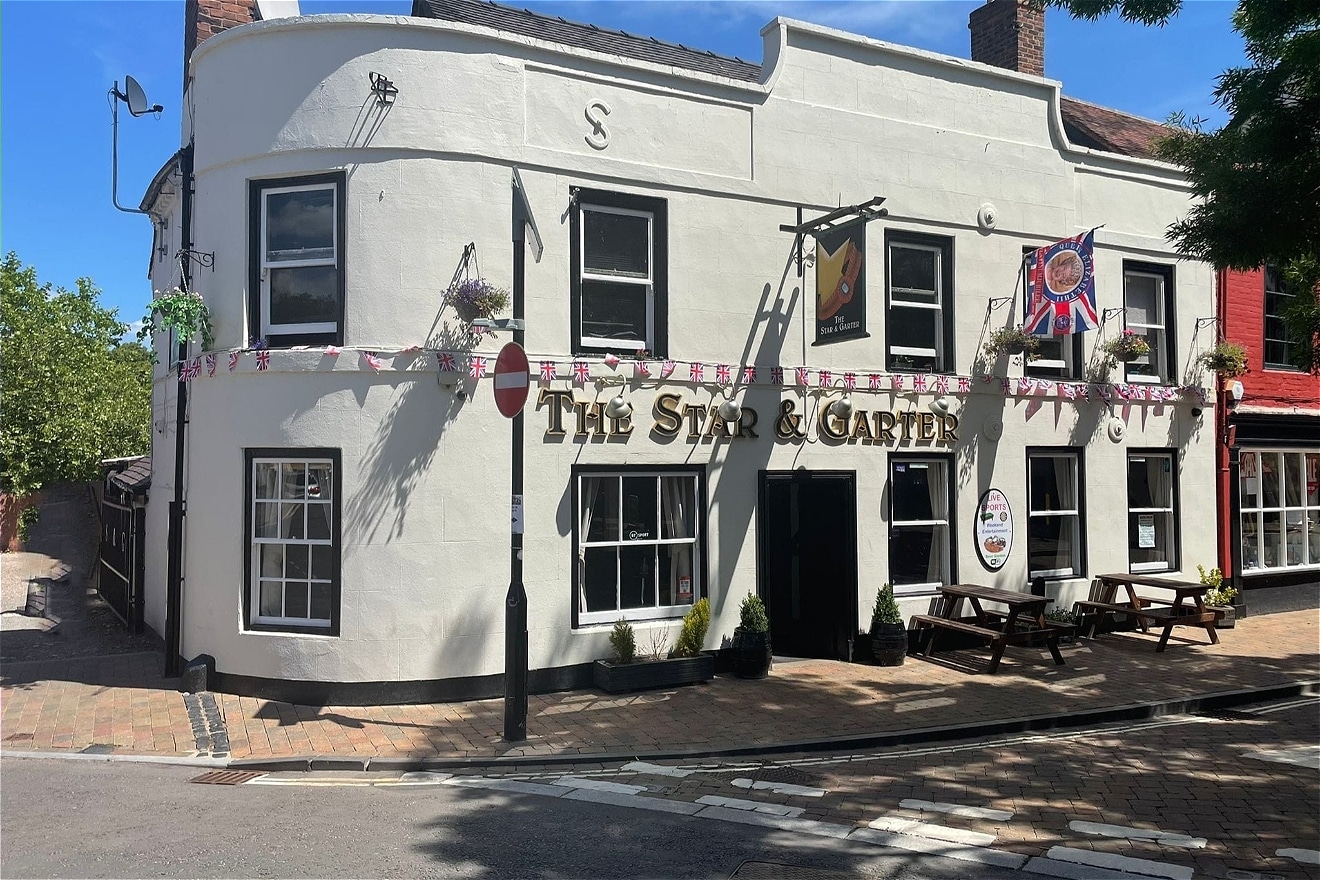
Today, the Star and Garter still stands proudly in the heart of Droitwich Spa — a constant presence in a town that has seen centuries of change.
Step through the doors and you’ll find low ceilings, sloping floors, and oak beams that have held firm for generations. It’s a building that wears its age with pride, with every creak of the floorboards and curve of the timber whispering stories from long ago.
Some visitors come for a quiet drink, others for a glimpse into local heritage — but most leave with the sense that they’ve stepped into something lasting.
The fire might not always be lit, but the warmth is always there.
So pull up a chair, take in the history that lines the walls, and add your own story to the long tale of the Star and Garter.
A Warm Welcome Awaits
Come for the history, stay for the hospitality. The Star and Garter is where warm welcomes, vibrant atmosphere, and great stories come together.
Dave & Carlene